
Fake love vs true love is a question that keeps many people up at night. You feel something strong for someone. Still, a small voice asks if it is real. In more than 30 years of coaching couples and singles, I have heard this worry again and again. Sadly, fake love can look just like the real thing at first. It sends sweet texts. It plans nice dates. And it says all the right words. However, the truth shows up slowly, through daily acts. This guide teaches you how to read those acts. You will learn the red flags, the green flags, and a simple test that gives clear answers.

First, know this. You are not foolish for missing the signs. Fake love feels wonderful at the start. It uses charm, attention, and speed to pull you in. Next, you will see how experts explain love, from Harvard research to the famous Gottman studies. Then, you will get a clear side-by-side chart. Finally, you will learn what to do if the love in your life feels fake. Additionally, every tip comes with a reason you can check against your own life. Your heart deserves a love that is steady, kind, and honest. The good news is that you can learn to spot it.

Fake Love Is a Performance, Not a Promise
Fake love is affection that serves something other than you. Sometimes the person lies on purpose, pretending to love you for money, status, sex, or control. Other times, the person fools themselves too. They fear being alone, so they stay and say “I love you” to keep the peace. Psychologist Robert Firestone called this a fantasy bond. In a fantasy bond, a couple swaps real acts of love for the roles and routines of being together. Either way, the result feels the same to you. You get the words and the image of love, but you do not get the care. That gap leaves you feeling empty.

Why would anyone fake love? The reasons are usually simple. Fake love is rarely random. It usually has a goal. Most people do not plan it like a movie villain. Instead, they chase a need, and love becomes the tool. This matters because the need explains the pattern. When the need changes, the “love” often changes with it. For example, a person who fears loneliness may act warm until someone new appears. Similarly, a person who wants status may pull away when your life gets messy. Therefore, ask what the other person gains, not only what they say. Common drivers include these:

- Fear of being alone: they want company, not you.
- Image: they like how you look beside them.
- Comfort or money: you make life easier.
- Control: affection becomes a leash.
- Guilt or pity: they cannot be honest.

True Love Feels Like Exhale, Not Adrenaline
True love is care that shows up in daily life. It is steady, warm, and kind. It also leaves room for you to be yourself. Psychologist Robert Sternberg said love has three parts: intimacy, passion, and commitment. Intimacy is closeness. Passion is attraction. Commitment is the choice to stay. When all three exist, he called it consummate love. The Harvard Study of Adult Development adds proof that this matters. It began in 1938. Researchers found that happy, close bonds predict a long, healthy life. In fact, they predict it better than social class, IQ, or genes. So real love is not only sweet. It also protects your body and mind.
Does steady mean boring? Not at all. Researchers scanned the brains of 17 people. They had been married for about 21 years. All said they were still deeply in love. Their reward centers lit up much like those of people in new love. However, the fear and anxiety areas stayed quiet. Calm had replaced the obsession of early love. So real love can feel exciting and safe at the same time. Moreover, you can build it. Healthy intimate relationships grow from small choices, and fresh date night ideas keep the spark awake. Think of true love as a place to rest, not a ride that makes you dizzy.
Fake Love vs True Love at a Glance
| Topic | Fake love | True love |
|---|---|---|
| Words and acts | Big words, small acts | Words match acts |
| Pace | Rushes to “forever” | Grows with time |
| How you feel | Anxious and confused | Calm and safe |
| Effort | You do most of the work | Both people reach out |
| Your “no” | Brings guilt or anger | Gets respect |
| Conflict | Contempt, blame, or silence | Repair and learning |
| Your world | Hidden from friends and family | Welcomed in |
6 Red Flags That Fake Love Hides Behind
Fake love vs true love shows up in patterns, not in single moods. Look for patterns that repeat for weeks and months. One cold day means little. Ten cold weeks mean a lot. Also, stay fair. Real partners have bad days and make mistakes. The difference is what happens next. Real partners notice, apologize, and change. Fake love repeats the same hurt and expects you to accept it. Use the six signs below as a checklist. Mark each one you see often. A few that repeat deserve a calm talk. Most of them call for serious thought and support from people you trust.
1. Big Words, Small Actions
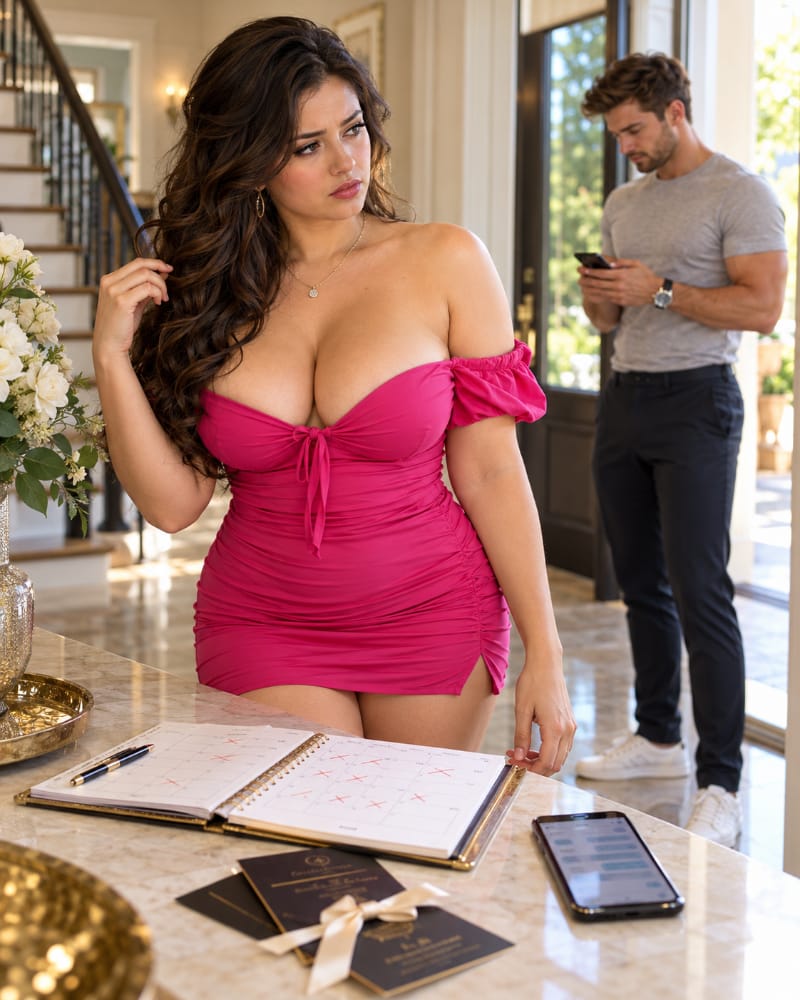
Fake love talks a lot. It promises trips, rings, and “someday.” Then the plans never happen. Real love is quieter, but it follows through. Therefore, judge love by what happens, not by what people say. Picture a partner who texts “I miss you” every night. Yet that partner cancels three dates in a row. The words feel warm. The acts feel cold. Trust the acts. Promises are cheap, and effort costs time. Time is what people give to what they value. Count promises made and promises kept for one month. The numbers will show you what your feelings try to hide.
2. Love at Warp Speed
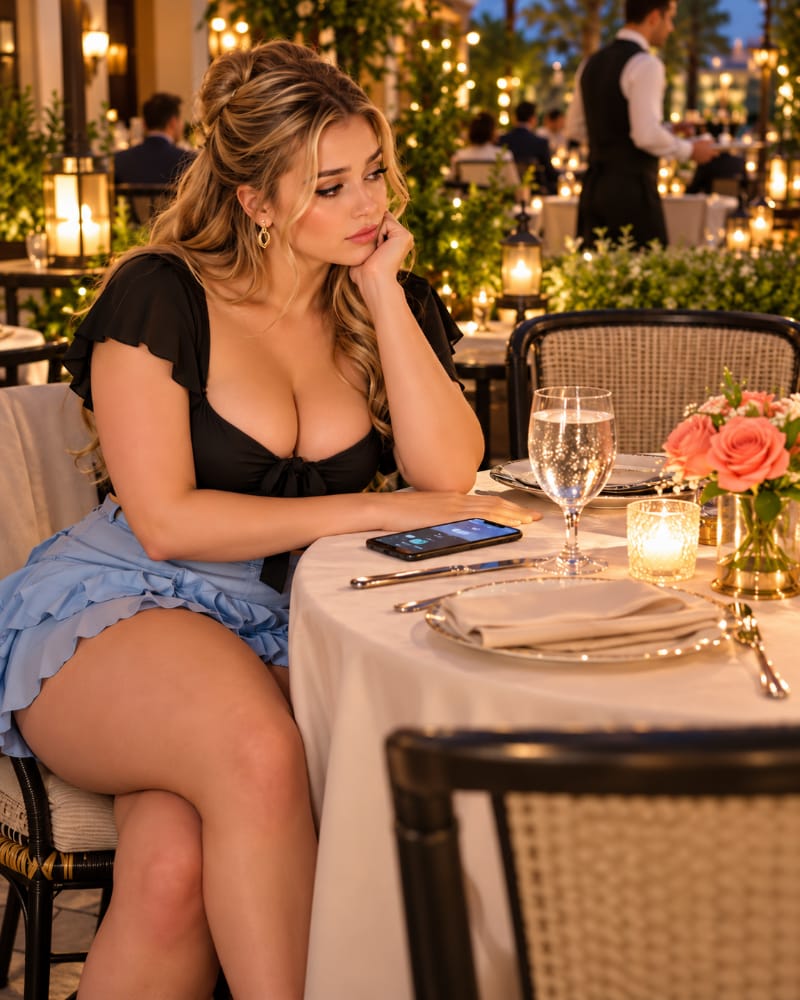
Fake love often moves fast. By week two, you hear “soulmate” and “forever.” The compliments feel huge. This pattern has a name: love bombing. The National Domestic Violence Hotline lists rushed labels, over-the-top praise, big gifts, and nonstop messages as common signs. It even notes that an early “I love you” can be a red flag. Why does speed matter? Real love needs time to know the real you. Speed skips that step and builds attachment first. Medical News Today adds that love bombing often warns of abuse later. You can see how the cycle works in this guide to the stages of a narcissistic relationship.
3. You Feel Anxious Instead of Safe
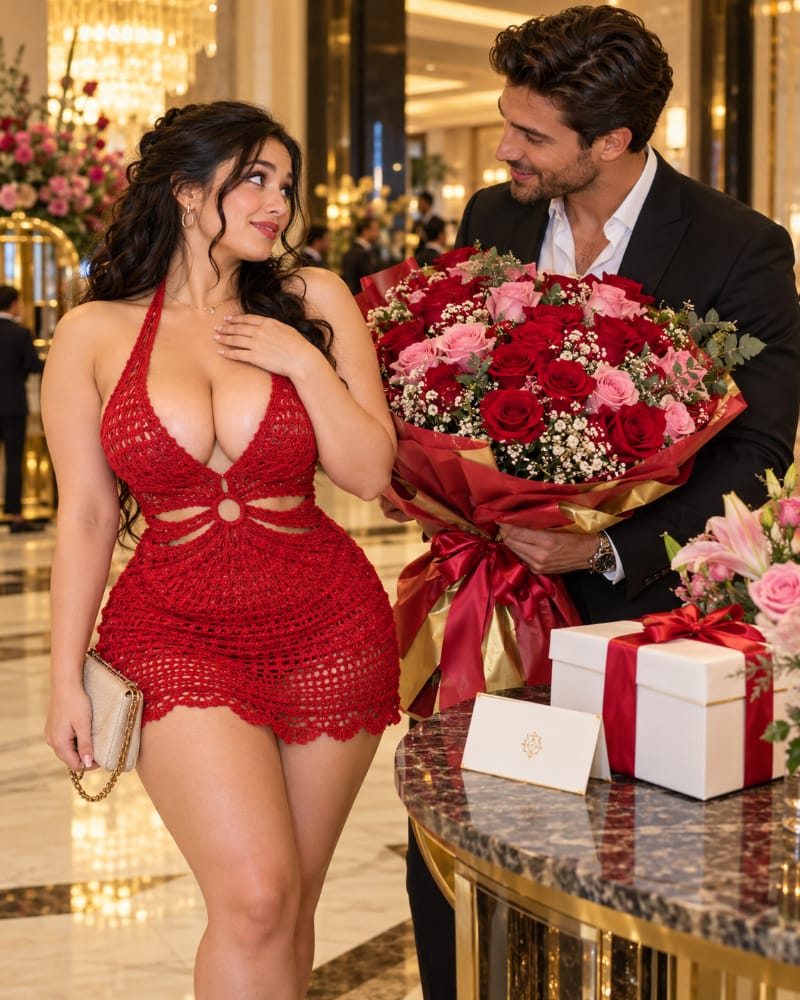
Many people mistake anxiety for chemistry. Racing thoughts, butterflies, and phone checking feel like passion. In truth, they often signal doubt. Fake love keeps you guessing. One day they adore you. The next day they ignore you. That swing is exhausting. True love offers emotional safety. As noted earlier, the long-married couples in the brain study showed calm instead of fear. Walking on eggshells is not romance. After every talk, ask yourself one question. Do I feel lighter or heavier? A caring partner leaves you lighter more often than not. Your body often knows before your mind agrees. So listen to it.
4. You Reach, They Rarely Reach Back
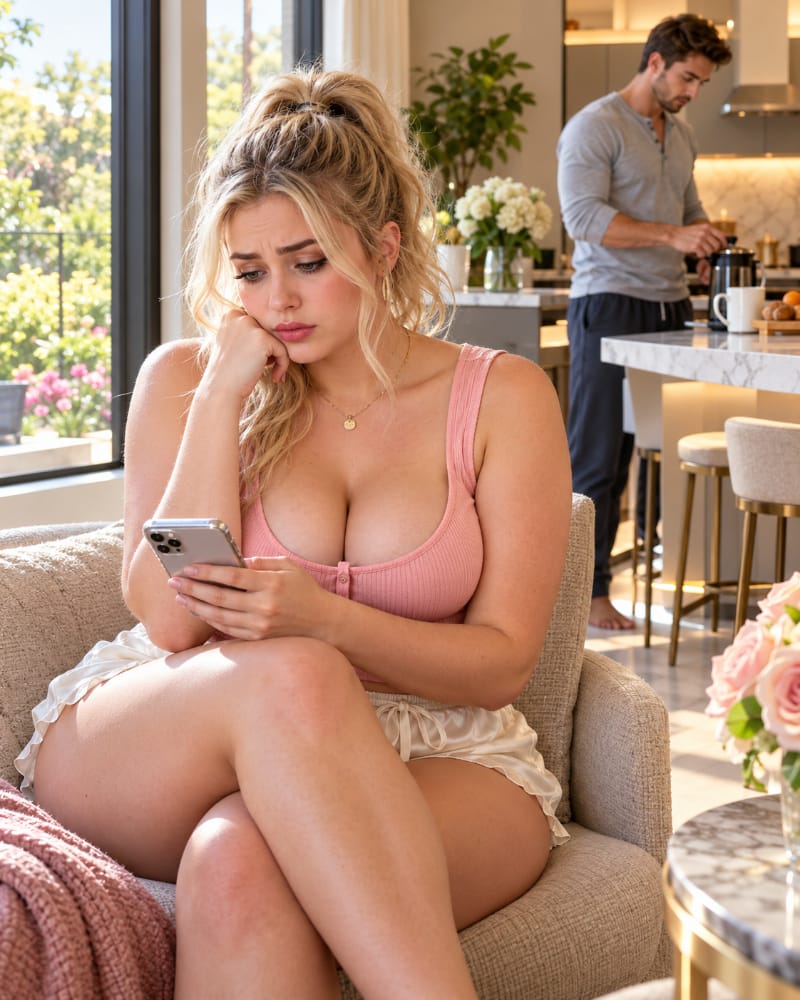
Love shows up in small moments. Dr. John Gottman calls these moments bids for connection. A bid can be a question, a joke, or a touch. In one study of newlyweds, couples still married six years later answered each other’s bids 86 percent of the time. Couples who divorced answered only 33 percent of the time. That gap is huge. So watch the flow of effort. Who starts the texts? Who plans the dates? And who fixes the quiet after a fight? If it is always you, the love is one-sided. Fake love takes your bids and gives little back. Real love turns toward you, even on a busy day.
5. Your “No” Gets Punished
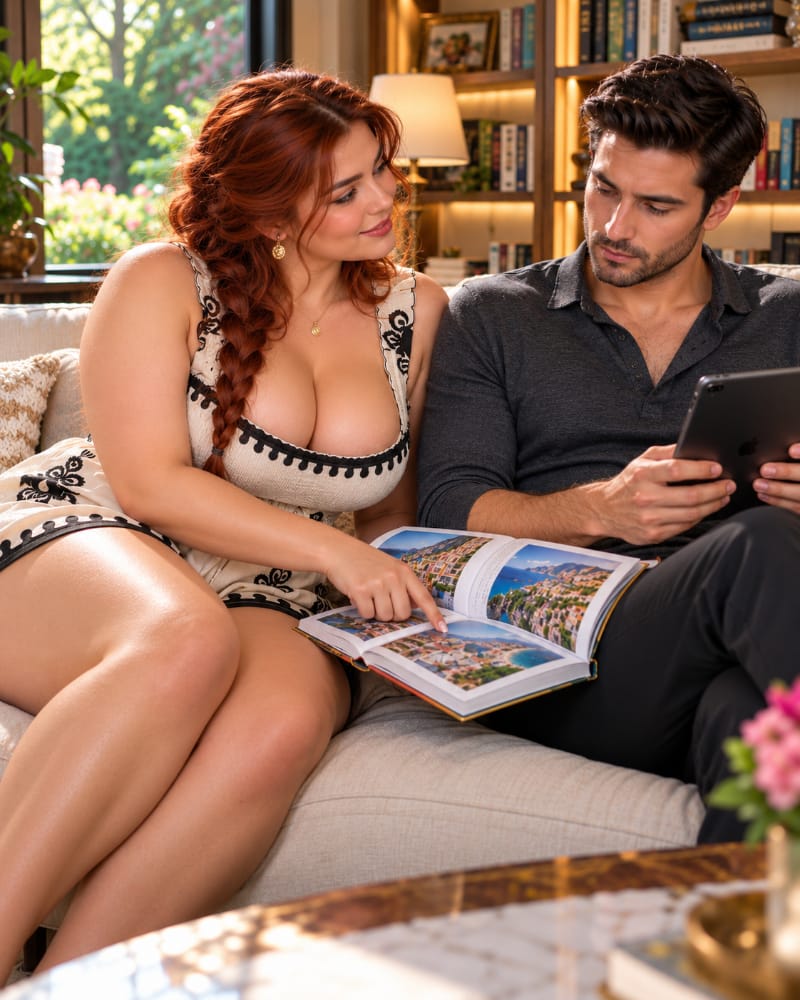
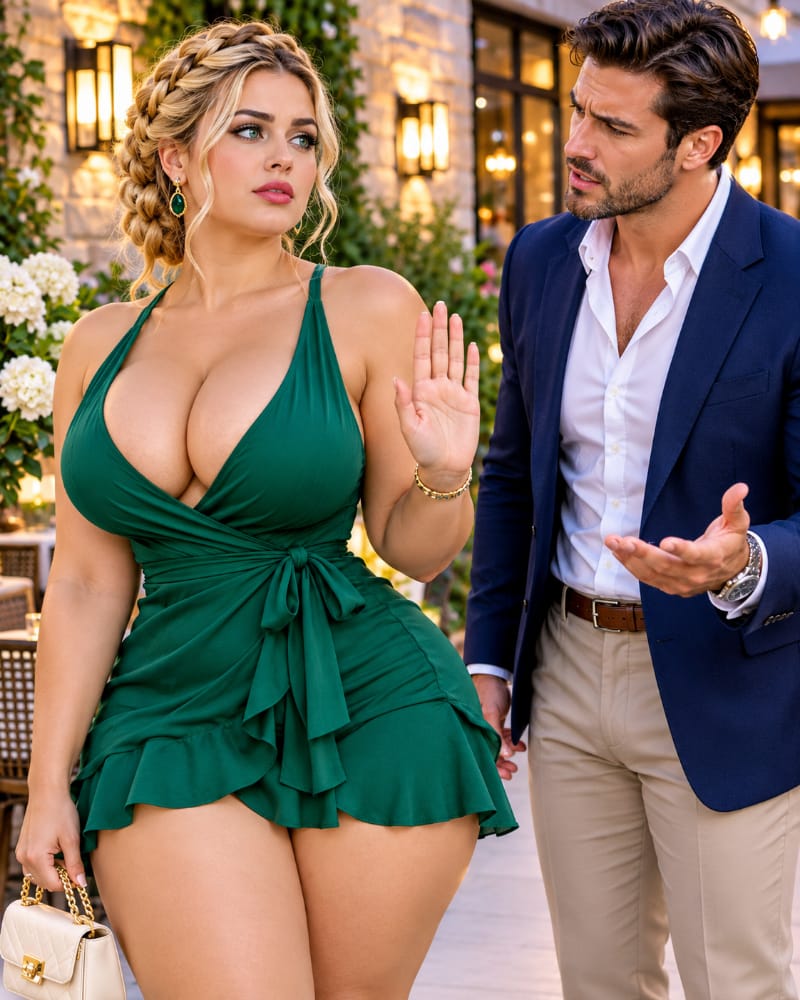
Healthy love respects limits. Fake love treats your “no” as an attack. You may get a guilt trip, an angry burst, or days of silence. The Hotline warns that gifts can come with strings, like using a paid bill to silence you. That is control dressed as kindness. Moreover, control often grows over time. Say no to a small thing, like a late-night call, and watch the reaction. A loving partner may feel sad, yet will still respect you. If your partner keeps crossing your limits, read this guide on crossed boundaries in a relationship. Clear limits protect love. They do not end it.
6. Fights End in Contempt or Silence
Every couple fights. What matters is how they fight. Dr. Gottman named four habits that harm love: criticism, contempt, defensiveness, and stonewalling. Criticism attacks your character. Contempt shows disgust or superiority. Defensiveness blames you back. Stonewalling shuts you out. His research names contempt as the strongest predictor of divorce. Fake love cannot repair, because repair needs honesty. So fights end with mockery, blame, or days of silence. Real love fixes things. It says “I was wrong” and means it. It also returns to the topic later. Notice the ending of your fights, not only the start. Also watch for these quieter signs:

- Sorry without change: the same apology, the same hurt.
- Hidden from their world: you never meet friends or family.
- Divided attention: private chats with someone else, which can signal emotional cheating.

6 Green Flags That Real Love Leaves Behind
Real love leaves a trail you can see. After time with this person, you feel more like yourself, not less. You also feel safe enough to share fears. Physical affection feels warm and unhurried. Even a simple kiss carries meaning, as this guide on the power of a kiss shows. Love like this does not drain you. It fills you. These flags do not mean perfection. They mean a pattern of care and mutual respect. Check the list below. Give each flag a yes, a no, or a maybe. Be honest, since nobody is watching your answers. Many yes answers show a love worth protecting.

- Their words and acts match, week after week.
- They let love grow at a pace that feels safe.
- You feel calm and more like yourself around them.
- They notice small bids for attention and answer warmly.
- They accept your no and still treat you kindly.
- They apologize, change, and cheer for your goals.

Is It Love, Lust, or Just Infatuation?
True love vs fake love is not the same as passion vs no passion. Passion is only one piece of love. Sternberg’s model shows what happens when other pieces are missing. Passion alone is infatuated love. It can vanish fast. Commitment alone is empty love, like a marriage that exists on paper. Passion plus commitment without closeness is fatuous love, which is often rushed and shaky. Only the mix of all three is consummate love. BetterHelp notes that infatuation can arrive in a day, while love needs time. Infatuation is often physical. Love goes beyond the bedroom. Strong desire can look like love. See these signs he wants to sleep with you for what pure attraction looks like.
So how do you know if passion is growing into love? Look at what follows the spark. Time answers that question. After the first few months, do you share fears and dreams? Do you handle conflict with care? Do you picture a future together, with real plans? Love adds depth to desire. Fake love keeps things shallow. Besides, infatuation fades when the thrill drops. Love stays when life gets dull or hard. A therapist writing for Psychology Today also warns that we sometimes love an imagined partner, not the real person. Seeing the real person, flaws included, is a mark of love.
Can Fake Love Turn Into Real Love?
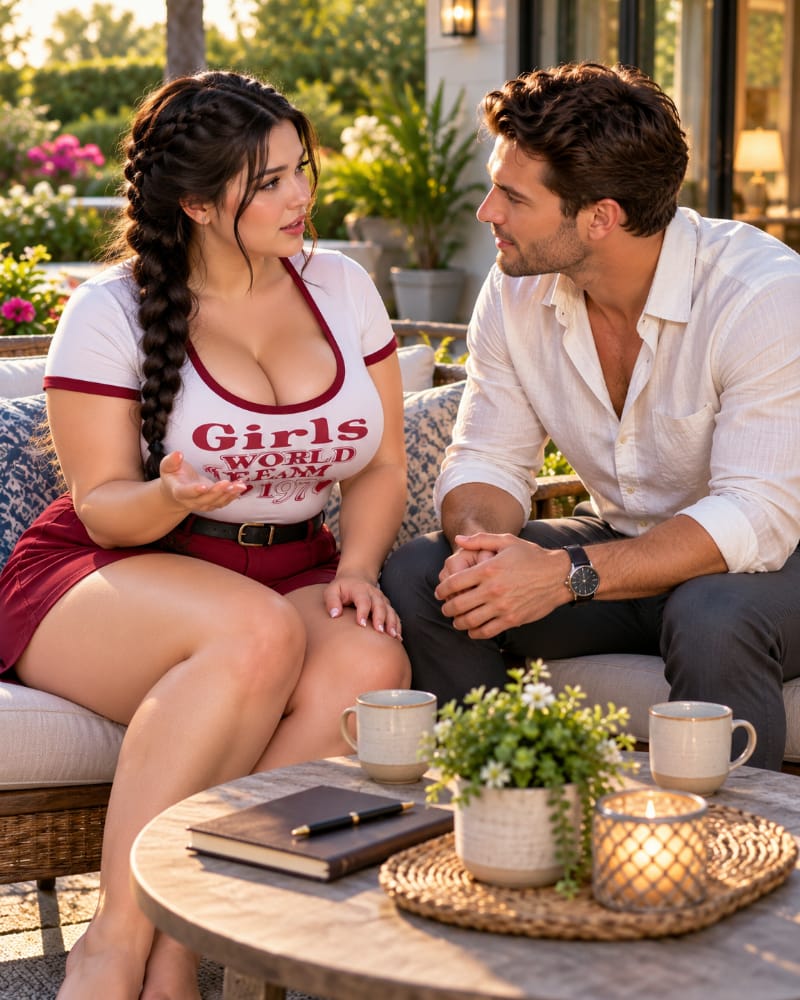
Sometimes it can, but the answer depends on why the love feels fake. Case one: the person is sincere but unskilled. They may be scared, young, or hurt from the past. They want love and do not know how to show it. With honest talks, steady effort, and time, real care can grow. Case two: the person lies, controls, or hurts you. That kind of fake love rarely turns real. Change shows up in months of steady acts, not in one big apology. Ask yourself three things. Do I feel safe? Is the effort equal? Is the pattern improving? To rebuild, try these ways to keep your partner interested.
The 30-Day Test That Shows the Truth
Feelings can fool you. Behavior over time rarely does. That is why I suggest a simple 30-day check. It turns a vague worry about fake love vs true love into clear facts. Do not announce the test or treat your partner like a suspect. Just pay attention and write short notes. Remember that you are collecting patterns, not hunting for perfection. A partner who tries, listens, and respects you will pass with ease. A partner who fails the same step again and again is showing you something important. At day 30, read your notes and look for steady effort, calm talks, and respect. Here are the five steps:
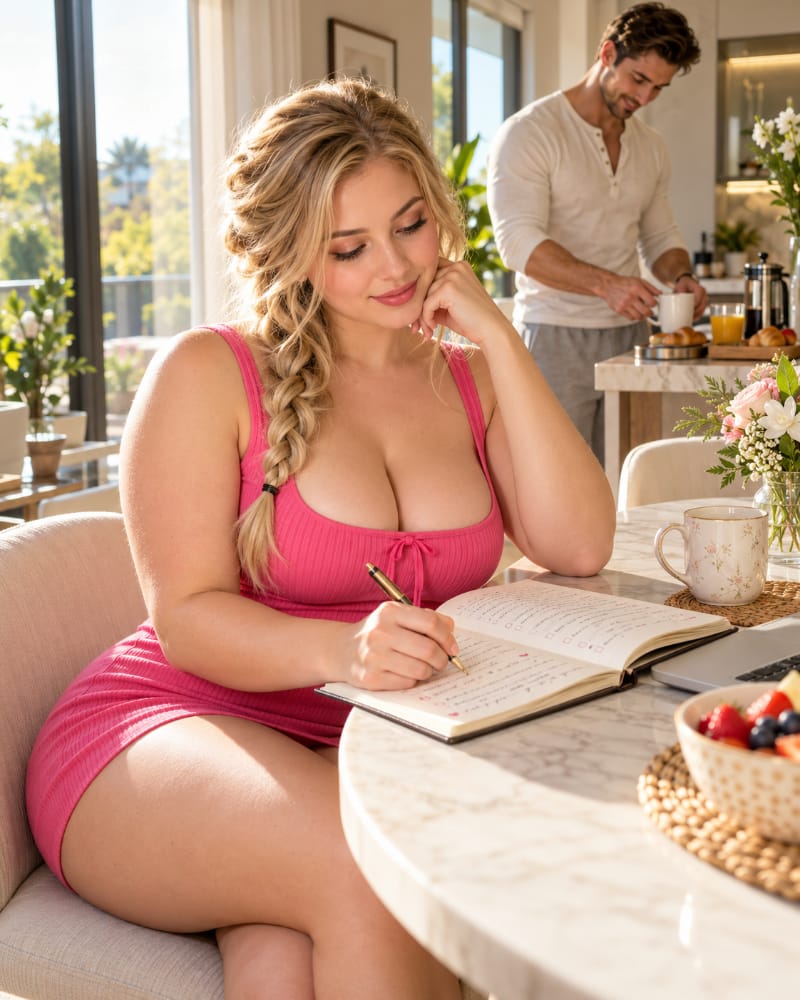
- Log promises: write down what they promise and what they do.
- Make one small request, like “Please text me if you run late.”
- Say no to one small plan and watch the reaction.
- Raise one mild concern and see if they listen or attack.
- Plan ahead: ask to meet their friends or set a date two weeks out.

Are You Giving Fake Love Without Knowing It?
Here is a question few guides ask. Could you be the one faking? It happens more than people admit. You may say “I love you” to avoid a fight. You may stay out of guilt, fear, or habit. And you may like the comfort, the status, or the plans you made together. None of this makes you a bad person. However, it does hurt both of you. The same Psychology Today therapist notes that being in love is not about getting someone to fill our empty places. If you use a partner that way, the love stays thin. Honesty is the kindest path. Ask yourself these three questions:
- Do I miss this person when we are apart?
- Do I feel excited about our future?
- Would I choose them again today?

What to Do the Moment You See the Truth
Seeing fake love hurts. Take a breath before you act. First, slow things down. Say no to big steps like moving in or sharing money. Second, have one clear talk. Use plain words, such as “I feel unsure when plans change at the last minute. I need steady effort. Can we work on that?” Third, watch what happens over the next few weeks. Words fade, so look for new habits. Fourth, lean on people you trust, including a licensed therapist. This guide to the 9 types of men can help you name the pattern. Finally, if you decide to leave, plan it with care.

Sometimes fake love is more than fake. If the person controls your money, your phone, or your friends, treat it as serious. The same goes for threats, shoving, or fear of their anger. You can call the National Domestic Violence Hotline at 1-800-799-7233 or text START to 88788. Advocates can talk through your options with you. Call 911 if you are in immediate danger. If you live outside the USA, search for your local domestic abuse helpline. After you leave, give yourself time to heal. Our breakup guides can help you rebuild. Falling for fake love does not make you weak.
FAQs About Fake Love vs True Love
Intent and consistency. True love cares about your well-being and shows it through steady acts. Fake love serves something else, such as image, comfort, or control. Its effort comes and goes.
Look for patterns over time. Big words with small acts, rushed romance, constant anxiety, one-sided effort, and punished boundaries all matter. One bad day proves nothing. Repeated patterns do.
Yes. Attention, gifts, and fast closeness trigger strong feelings. That is why love bombing works. Time and steady behavior separate real care from a performance.
Love bombing is one form of it. It means over-the-top affection early on to gain control. The Hotline calls it a form of emotional abuse. Fake love is wider and also includes staying for comfort or image.
There is no fixed date. Patterns appear over weeks and months, especially in conflict, boundaries, and stress. Use the 30-day check as a start. Then keep watching before big steps.
It depends on safety and sincerity. If you feel controlled or afraid, get support and plan to leave. If your partner is sincere but unskilled, one clear talk and a few months of steady change will show you the way. What is the main difference between fake love and true love?
How can you tell if someone is faking love?
Can fake love feel real?
Is love bombing the same as fake love?
How long does it take to know if love is real?
Should I leave if I think my partner is faking love?
Final Thoughts: Choose the Love That Feels Safe
Fake love vs true love comes down to one simple question. Does this person’s love make your life safer and fuller? Fake love gives you words, speed, and a show. True love gives you steady acts, calm, and respect. Moreover, the proof lives in time, not in a single big moment. Start your 30-day log this week. Notice who reaches back, who respects your no, and who repairs after a fight. Additionally, be honest about your own role. Then choose with open eyes. You deserve a love that lets you exhale. If the love in your life does not feel like that yet, you can still choose differently.


Through Smart Relationship Tips, Leslie focuses on helping readers better understand relationship dynamics, communicate more effectively, navigate difficult emotional situations, and make more informed decisions about their personal lives. Her writing combines practical relationship guidance with insights from psychology and reputable research sources where appropriate.
Leslie believes that healthy relationships are built through honest communication, mutual respect, emotional awareness, trust, and consistent effort. Her goal is to make complex relationship topics easier to understand while offering advice that readers can realistically apply to everyday situations.
At Smart Relationship Tips, Leslie is committed to creating helpful, reader-focused content that is clear, compassionate, and responsible. When discussing psychology, emotional wellbeing, or research-based topics, the site aims to distinguish general relationship advice from evidence-based information and provide appropriate references whenever possible.
Areas of focus: Dating & relationships • Marriage • Communication • Breakups & moving on • Intimacy • Relationship challenges • Emotional wellbeing
- Fake Love vs True Love: 6 Signs to Differentiate - October 24, 2026
- Naughty Things to Do With Your Wife: 25 Ideas She Will Love - October 23, 2026
- 12 Reasons Men Love Curvy Women (Backed by Science & Real Life) - October 22, 2026