

Lust vs. love is one of the hardest puzzles in dating. You meet someone new. Your heart races. Your phone becomes the most important thing you own. Every thought leads back to that one person. Is it love, or is it only lust? In the first few weeks, both feelings can look the same. Both can feel huge. That is why so many people say “I love you” too soon and feel hurt later. I have coached singles and couples through this exact question for decades. In this guide, you will learn the clear signs of each feeling. You will see what your brain is doing. You will also get five simple tests and the exact words to use. Let’s start with the basics.
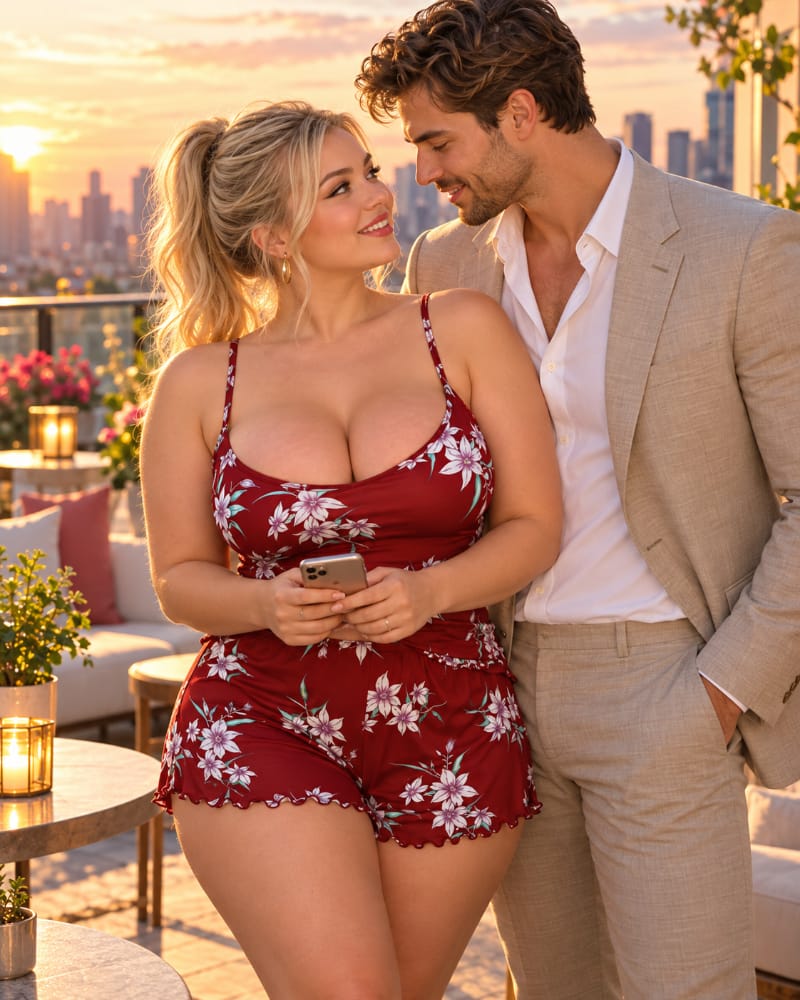
Quick Answer: What Is the Difference Between Lust and Love?
- Lust is a strong pull toward a person’s body and the thrill of the moment.
- Love is deep care for the whole person, and it grows over time.
- Lust can hit in one minute. Love needs time.
- Lust and love can live in the same couple, and the best bonds have both.

Lust lives in the body and in fantasy. You want to touch, kiss, and be close right now. Love goes deeper. It cares about the whole person, flaws and all. Dr. Justin Lehmiller, a social psychologist at the Kinsey Institute, describes lust as strong sexual and physical attraction. He sees love as a broader feeling. It adds emotional closeness and a wish to make the bond last. You can read his view in this Healthline guide to love and lust. He also makes a point many articles skip. Lust and love are not enemies. You can feel love without lust, lust without love, or both for the same person. So the real lust vs love question is not which feeling is better. The real question is which one is steering your choices today.

Lust vs Love Chart: Lust Burns Fast, Love Builds Slow
Here is the fastest way to see the gap. Read the chart below and notice which column sounds like your story. Most people spot a few traits from each side, and that is normal. Early romance often mixes the two. Still, the pattern matters. Lust speeds up, then fades when real life shows up. Also, love moves at a calmer pace and gets stronger when life gets hard. Think of lust as a spark and love as a hearth. A spark lights the room for a moment. A hearth keeps the whole house warm all winter. You need a spark to start a fire. You also need a hearth to build a home.
| Lust | Love | |
|---|---|---|
| Speed | Hits fast | Grows slowly |
| Focus | Body and fantasy | The whole person |
| Time together | Mostly physical | Talk, laughter, shared life |
| Under stress | Fades or disappears | Shows up and stays |
| Talk | Surface level | Deep and honest |
| Future | Lives in the moment | Makes real plans |
| Feels like | Rush, craving, fire | Safe, warm, steady |
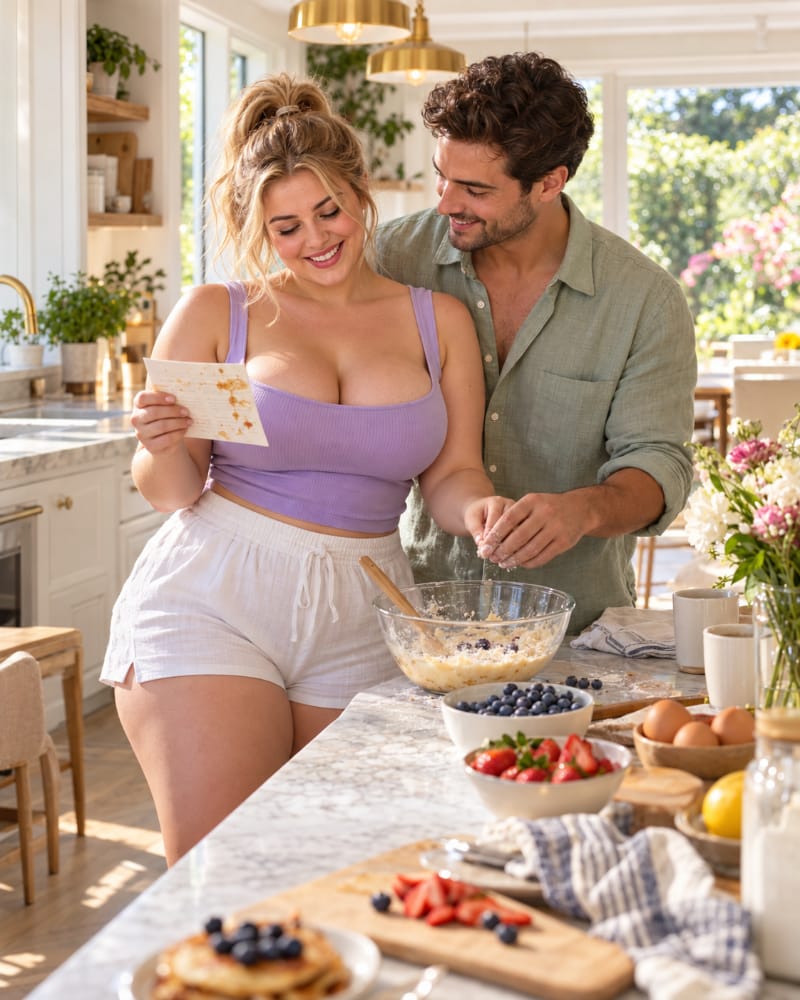
Why Your Heart Races: The Brain Science of Lust vs. Love
Science backs up what your gut already knows. Researcher Helen Fisher says people have three brain systems for mating and bonding. The first is lust, which is the sex drive. The second is romantic attraction, which makes one person feel special and hard to forget. The third is attachment, which creates a deep sense of union with a long-term partner. Each system has its own job. Lust pushes you to seek a partner. Attraction makes you focus on one person. Attachment keeps you close for years. Furthermore, Fisher says love can start with any of the three. Sex can even raise dopamine and push you over the line into falling in love. That is why casual sex is not always casual.
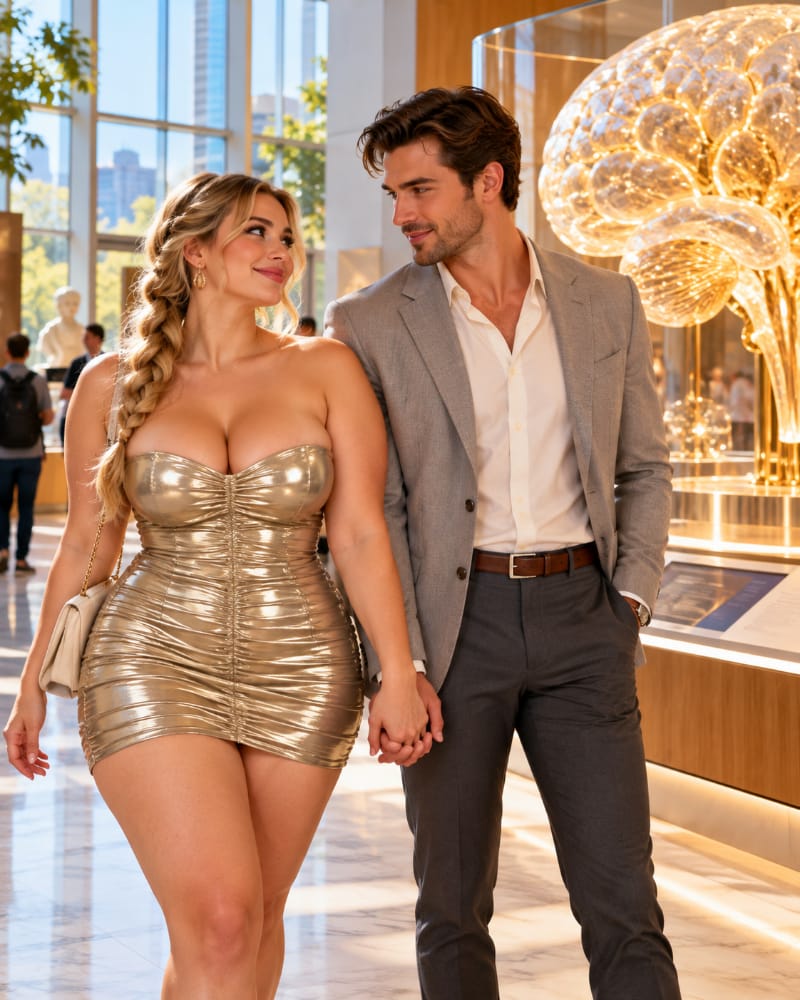
New love also changes your body chemistry for a while. People often call this the honeymoon phase. In an Italian study, new lovers had higher levels of a protein called nerve growth factor. After 12 to 24 months, the levels dropped for many who stayed together but no longer felt the same rush. Scientific American explains that this early state is arousing but stressful, and the changes are short-lived. That does not mean love died. It means your body settled down. In addition, a Stony Brook University team scanned 17 happily married people. All of them still felt intense romantic love after about 21 years. The reward areas of their brains lit up for their partner, just as they do in new love. Passion can survive.

The Love Triangle That Explains Everything
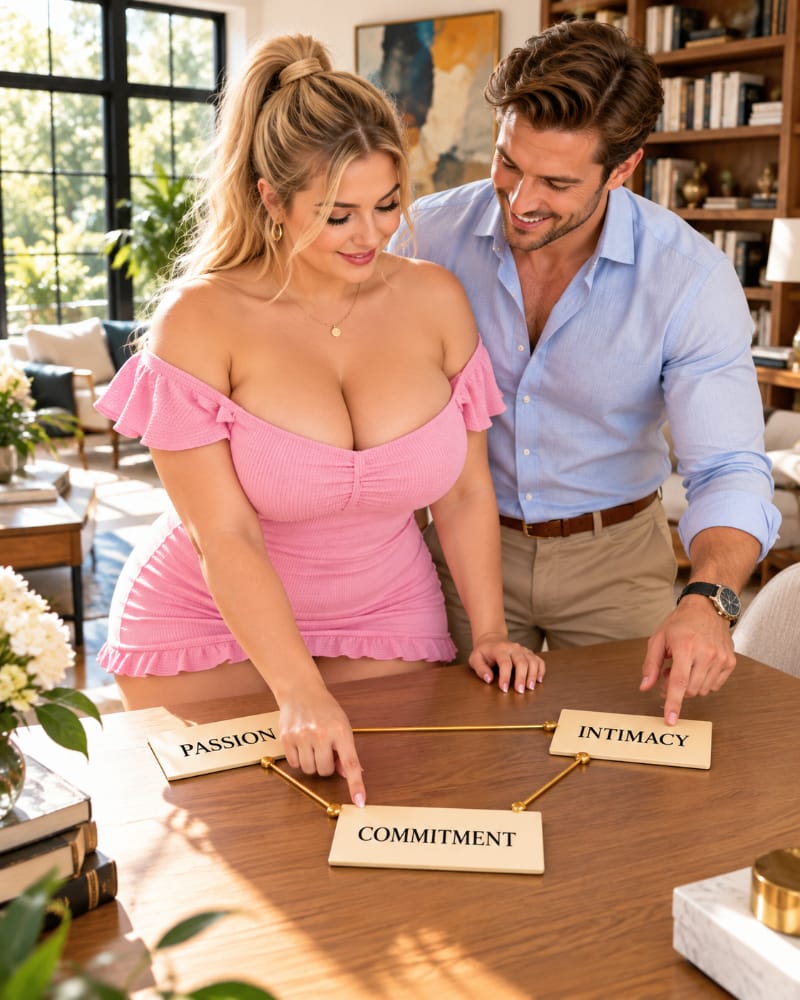
Psychologist Robert Sternberg gave us a simple map. His triangular theory of love says love has three parts. Passion is the physical spark. Intimacy is emotional closeness. Commitment is the choice to stay. Lust looks a lot like passion alone. Sternberg calls passion alone infatuation. It feels strong, but it has no closeness and no promise behind it. Passion plus intimacy makes romantic love. Intimacy plus commitment makes companionate love. Finally, all three together make what Sternberg calls consummate love. Besides, this map makes lust vs love easy to see. It shows what lust is missing. It also shows why love without passion can feel flat. Ask yourself which corners of the triangle you have right now.
7 Signs It’s Only Lust (Even When It Feels Like Magic)
Lust can feel like magic, and it can also trick you. Dr. Judith Orloff, a psychiatrist, explains that when sex hormones run high, lust feeds on idealization and projection. You see who you hope they are, not who they are. Pure lust often fades when the real person shows up. Read these signs of lust with honest eyes. One or two signs prove nothing. A strong pattern does. Want more clues about desire? Read our guides on signs he wants to sleep with you and signs she wants to sleep with you. Then come back and check how many fit your story today. Also, be kind to yourself as you read. Having these signs does not make you a bad person. It only tells you what is true.

- You crave their body more than their company.
- You know their looks better than their life story.
- You want sex, but you avoid deep talks.
- You want to leave soon after sex instead of staying close.
- You keep them away from your friends and family.
- You picture fantasies about them, not real days together.
- You need a “fix” of them, and the urge drops once you get it.

7 Signs It’s Real Love (Even When the Spark Is Quiet)
Love vs. lust is easiest to see in small acts. Love is often quieter. Researcher and therapist Terri Orbuch has studied couples for three decades. She names four signs that set love apart from lust. They are connection, “we” language, deep sharing, and mutual influence. In addition, Dr. Lehmiller says love shows up outside the bedroom. Your partner asks about your life, shares private details, and makes future plans with you. Read these signs of love slowly. Real love does not need a perfect score. It needs a clear pattern over time. To see how emotional intimacy grows, read our guide to healthy intimate relationships.

- You want their whole life, not only their body.
- You lose track of time when you talk.
- You say “we” more than “I.”
- You share your fears and dreams, and they share theirs.
- You go to them first with good news and bad news.
- You want your people to meet them.
- You feel safe, and you want to grow.

5 Tests That Show the Truth When Feelings Get Loud
Signs help, but tests help more. Feelings get loud in the early weeks, so use real-life moments to hear the truth underneath. These five tests work for lust vs love questions in new dating and for couples who feel stuck. Run them over a few weeks, not in one night. My rule of thumb is simple. Check in with yourself once a month for the first three to six months. Also, write down what you notice. Patterns show up on paper that your heart hides in the moment. Equally important, be fair to the other person. A test is a way to learn, not a trap to catch them.
- The Clothes-On Test. Spend a full day together with no sex. Cook, walk, and run errands. If you feel bored or restless, lust may be driving. If you feel relaxed and happy, love may be growing.
- The Bad-Day Test. Picture this. Maya catches the flu in week six. Jordan brings soup, cleans her kitchen, and stays to watch a silly show. That is love at work. Now picture Dan. When Priya’s mom goes to the hospital, he stops replying. That is lust that ran out of fuel.
- The Disagreement Test. Watch the first real fight. Does your partner stay curious and try to fix it? Or do they vanish and punish you with silence? Love repairs. Lust avoids anything that breaks the fantasy.
- The People Test. Introduce them to your friends and family. Watch how they treat waiters, kids, and your oldest friend. Their kindness to others shows their depth.
- The Time Test. Ask if the feeling grows or shrinks as you learn their flaws. Love gets deeper as you see the real person. Lust fades.

Can Lust Turn Into Love? Yes, but Only If Two Things Happen
Lust can lead to love. Fisher says love can begin with any of the three brain systems. So a spark can grow into something deeper. But it is not automatic. Two things have to happen. First, you must share real parts of yourself. That means fears, hopes, and old hurts, not only jokes and photos. Second, you must stay close when life turns ordinary or hard. Psychologist John Gottman studied newlyweds and found a powerful habit. He called small tries to connect, like a comment or a touch, bids. After six years, couples who stayed together had turned toward those bids 86 percent of the time. Couples who split had done so only 33 percent of the time. Indeed, small moments build love.

How long does it take? No clock works for everyone. In the Italian study, the early rush calmed within 12 to 24 months for people who stayed together. Real love can start before that or long after. Instead of counting days, watch the direction. Is your bond getting deeper, more honest, and more steady? Then lust may be turning into love. Do you feel more distance each week? Then it may be staying lust. If you want love to grow, slow the pace. Add a few non-sexual dates. Ask one deep question each time you meet. Want to know what makes someone fall and what makes them stay? Read our guide on the woman every man wants.

Yes, You Can Have Both: How to Keep Passion Alive Inside Love
Many people believe lust must die for love to live. That story is common, but it is not a law. The Stony Brook scans found long-married people whose partners still lit up their brains’ reward system. Also, a 2020 research paper notes that about 30 to 40 percent of U.S. adults married 10 years or more report high romantic love for their spouse. So passion can last. It simply needs care. When lust fades, many couples blame love. They think something is broken. Usually the cause is stress, routine, and silence. Fix those, and the spark often returns. Moreover, sex therapist Mary-Margaret Sweeney says lust is not less than love. It is different, and it can make you feel sexy, wanted, and playful.

Sexual desire also changes shape over time. Sex therapists describe two types. Spontaneous desire shows up out of nowhere. Responsive desire shows up after warmth and touch begin. In a long-term relationship, many people feel more of the second type. Additionally, Dr. Jordan Rullo, a sex therapist and Gottman clinician, uses a “gas and brakes” idea. Stress, resentment, and fatigue press the brakes, and desire cannot move forward until you lift them. So do not wait for a lightning bolt. Start with a long kiss, a back rub, or a laugh. Wonder how long is too long without touch? Read about how long a woman can stay without physical intimacy. Then read about the power of a kiss.
Novelty is the next tool. Terri Orbuch shares three ways to bring lust back. First, try new things together. A cooking class, a new trail, or a part of town you have never seen all count. Second, add surprise. Send a flirty text at noon or leave a trail of notes. Finally, do something that raises your heart rate together. Exercise, a scary movie, or surfing can all work, because excitement can spill over to your partner. Need ideas? Try our bedroom games for couples or these naughty things to do with your husband at night. You can also plan an outdoor date that builds closeness.

If It’s Only Lust: What to Say and What to Do Next
First, take the shame out of it. Wanting someone physically is normal, and lust is not bad. The trouble starts when one person thinks it is love and the other does not. So decide what you want right now. Do you want fun, love, or both? Then say it clearly. Many people hide what they want because they fear losing the person. That fear costs more than the truth would. Honesty protects both of you. It also saves months of guessing. Silence makes people write their own story, and that story is often wrong. Here are three lines you can adapt to your own voice:
- “I really enjoy you. I want to be clear about what I am looking for.”
- “This feels bigger than casual for me. How does it feel for you?”
- “I like where we are. I want to slow down and learn more about you.”
Next, watch for warning signs. Dr. Orloff lists four gut signals. A quiet voice says beware. You feel drained after you spend time together. The attraction feels dark. You dislike how they treat you, but you fear speaking up. Intense is not the same as intimate. If someone pushes you to move faster than you want, that is not love. Equally important, you can say no, slow down, and leave. Our guide on what to do when someone crosses your boundaries can help you plan your words. If the same pattern keeps repeating in your life, talk with a licensed therapist.

Lust vs Love FAQs
How do you know if it is lust or love?
Look beyond the bedroom. Ask three things. Do you enjoy their company with clothes on? Do you show up for each other in hard times? Does your bond deepen with time? Lust focuses on the body and the moment. Love cares about the whole person.
Can lust turn into love?
Yes. Many couples start with strong attraction and then grow closer. It takes honest sharing and steady kindness over time. It never happens on its own, and it is never guaranteed.
How long does lust last?
No fixed time exists. In one Italian study, a chemical sign of new love faded within 12 to 24 months. That happened for people who stayed together and felt less swept away. Desire can last longer when partners keep novelty, play, and closeness alive.
Can you love someone without lust?
Yes. Sternberg calls intimacy plus commitment companionate love, and many strong bonds work this way. If one partner wants more passion, talk about it early and try new ways to connect.
Can you feel lust and love for the same person?
Yes, and that is the best case. Dr. Lehmiller notes that you can feel both at once for the same person. Brain scans of long-married couples show it can last for years.
Is love at first sight real?
Most of the time, it is strong attraction. Real love needs time, because you can only love who you truly know.
Does he love me or is it just lust?
Watch his actions over time. Does he ask about your life, include you with his people, and make plans? The best way to know is to ask him, calmly and directly.
Final Thoughts: Choose the Fire That Also Warms the Home
Lust vs love gets simpler when you watch what each feeling does over time. Lust is fast and bright. It fills your mind with a body and a fantasy. Love is steady and kind. It asks for honesty and shows up on hard days. Again, neither one is shameful. Lust makes life exciting, and love makes life safe. The best bonds have both. Use the signs, the five tests, and the scripts in this guide. Slow down when your heart runs ahead of the facts. Listen to your gut. Speak clearly about what you want. Finally, remember that you deserve a bond that feels like fire and home at once. Which signs stood out to you? Share your thoughts in the comments.


Through Smart Relationship Tips, Leslie focuses on helping readers better understand relationship dynamics, communicate more effectively, navigate difficult emotional situations, and make more informed decisions about their personal lives. Her writing combines practical relationship guidance with insights from psychology and reputable research sources where appropriate.
Leslie believes that healthy relationships are built through honest communication, mutual respect, emotional awareness, trust, and consistent effort. Her goal is to make complex relationship topics easier to understand while offering advice that readers can realistically apply to everyday situations.
At Smart Relationship Tips, Leslie is committed to creating helpful, reader-focused content that is clear, compassionate, and responsible. When discussing psychology, emotional wellbeing, or research-based topics, the site aims to distinguish general relationship advice from evidence-based information and provide appropriate references whenever possible.
Areas of focus: Dating & relationships • Marriage • Communication • Breakups & moving on • Intimacy • Relationship challenges • Emotional wellbeing
- Lust vs Love: 14 Signs to Watch Before Your Heart Gets Hurt - October 31, 2026
- Signs Your Husband Is Cheating: 9 Red Flags and What to Do Next - October 30, 2026
- 15 Masculine Things You Can Do For Her That Deepen Real Love - October 29, 2026