

Things You Should Never Tell Your Woman are often the words that seem harmless until they hurt someone you love. You may say something as a joke. You may speak out of anger. Or you may just want to make a point. Yet one careless remark can turn a good night into a painful fight. Your wife or girlfriend may forgive the words. Still, she may find it hard to forget how they made her feel. The good news is that you can learn to speak with more care. You do not have to hide your feelings or agree with everything she says. Instead, you can be honest without being cruel. Here are 17 phrases to avoid and better ways to express yourself.

Why Your Words Matter More Than You Think
Words can make a woman feel loved, safe, and understood. They can also make her feel small or alone. The difference often lies in how you speak. Research on romantic relationships shows that people feel closer when their partners listen, understand, and respond with care. A 2023 review of partner responsiveness explains why this matters for intimacy. In simple terms, your partner wants to know that her feelings count. However, this rule works both ways. You deserve respect too. A healthy relationship gives both people room to speak, disagree, and grow. If you want to start conversations with more confidence, read our guide on how to talk to a beautiful woman.

17 Things You Should Never Tell Your Woman
1. “Calm Down!” These Two Words Can Make Everything Worse
Imagine your girlfriend telling you about a terrible day at work. Her boss was rude. Her friend let her down. Now she wants to talk. You listen for a minute and say, “Calm down. It’s not that serious.” You may think you are helping. Yet she may hear something else. She may feel that you want her to stop talking. As a result, the problem becomes bigger. She now feels upset about work and hurt by your response. Instead, listen before offering advice. You can say, “That sounds like a hard day. Do you want to talk about it?” Also, ask if she wants comfort or help finding a solution. Sometimes, listening is the most useful thing you can do.

2. “You’re Too Sensitive.” Never Make Her Feel Wrong for Having Feelings
Some men use this phrase when they do not understand why their partner feels hurt. Perhaps you teased her in front of friends. She later tells you that the joke embarrassed her. You reply, “You’re too sensitive.” Now the talk shifts away from your behavior. Instead of solving the problem, you make her defend her feelings. Remember, you do not have to agree with every reaction. You do need to hear her out. Try saying, “I didn’t know that joke would hurt you. Tell me what bothered you.” Then listen without planning your next defense. You can explain your side afterward. Respect does not mean accepting every claim. It means treating each other’s feelings as worth hearing.

3. “You’re Crazy.” One Insult Can Break Emotional Trust
Calling your wife or girlfriend crazy is not a fair way to handle a fight. It turns a disagreement into an attack on her mind. Also, it can make her afraid to share honest feelings. The National Domestic Violence Hotline warns that insults and repeated attacks on someone’s sense of reality can be signs of emotional abuse. This does not mean every rude comment has the same meaning. Context and repeated behavior matter. Still, avoid using labels to win an argument. Say, “I remember that differently. Can we talk about what happened?” If trust has become a serious issue, our guide to signs your wife is cheating explains why facts and calm questions matter more than accusations.
4. “My Ex Was Better Than You.” Stop Comparing Her to Other Women
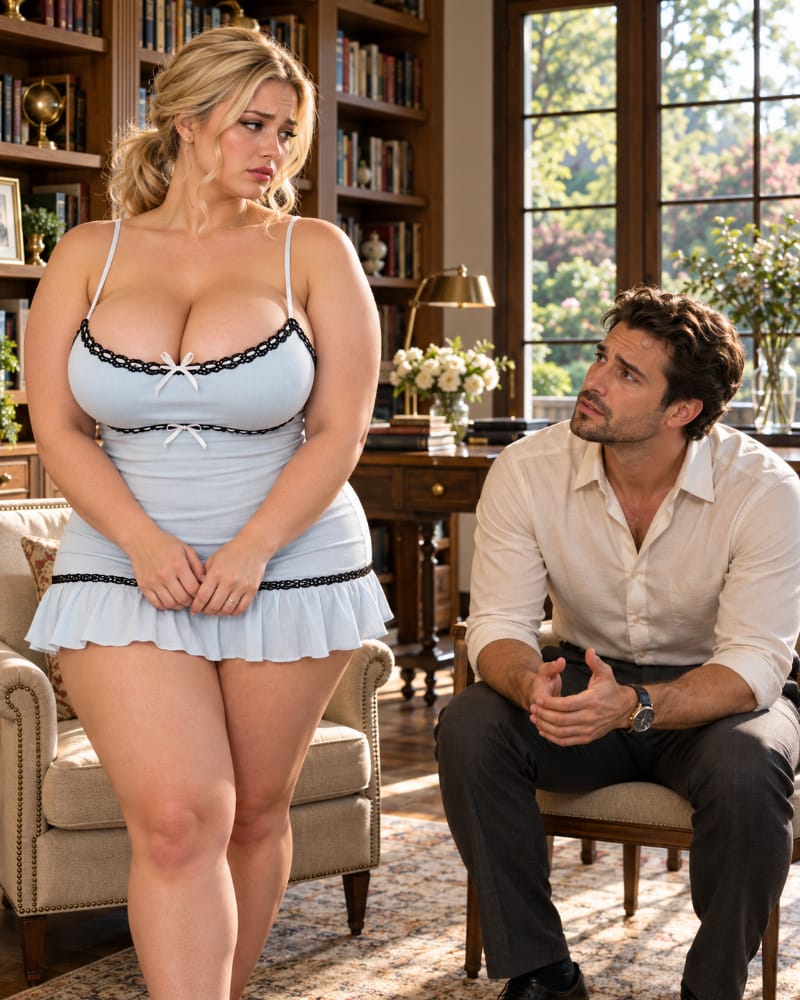
Few things make a partner feel less valued than being compared to an ex. Imagine saying, “My last girlfriend never complained about this.” What do you hope to gain? Your current partner cannot change your past. She may also start to wonder if you still want your ex. Comparisons create a contest that nobody needs. Instead, tell her what you want in the present. Say, “I miss having more fun together. Could we plan something this weekend?” This gives her a clear idea of your needs. Also, avoid comparing her body, looks, or personality with strangers. For more on how comparisons can affect marriage, see our article about why husbands stare at other women.

5. “Why Can’t You Be More Like My Mother?” She Is Your Partner, Not Your Parent
You can love your mother and still respect your wife’s way of doing things. Trouble starts when you compare them. Perhaps your mother cooks a certain dish. Your wife prepares it differently. Saying, “Mom always did it better,” adds little value. It may make your wife feel judged in her own home. Besides, she may have her own family habits and tastes. Those differences deserve respect. If you miss a family recipe, say, “I loved the way Mom made this. Would you like to try it together?” Then accept her answer. A good marriage is not a search for someone who acts like your mother. It’s a partnership between two adults. Our guide to the woman every man wants explores the value of mutual respect.

6. “You’ve Gained Weight.” Never Turn Her Body Into a Problem
Your partner’s body may change over time. Work, stress, age, illness, and pregnancy can all play a part. Yet an unwanted comment about her weight may leave her feeling judged. A review of weight stigma in romantic relationships found links between weight-based shame and problems with body image and relationship satisfaction. Therefore, avoid using her appearance as a weapon. If she asks for your support with a health goal, ask what kind of help she wants. Do not make her earn affection through weight loss. Tell her what you admire about her as a person. Also, remember that attraction comes in many forms. Our article on reasons men love curvy women explores body confidence and attraction.

7. “Is It That Time of the Month?” Don’t Use Her Period to Dismiss Her
A woman may feel physical or mood changes during her period. Yet you should not assume that every upset feeling comes from hormones. Imagine your wife asking why you forgot an important plan. You reply, “Are you on your period?” Now you have ignored her question and blamed her body. That is unfair. Instead, deal with the real issue. If you forgot the plan, admit it. If you disagree with her, explain why. Also, you can ask whether she feels well or needs support. Just don’t use her health as an excuse to avoid a hard talk. In a caring relationship, both people take each other’s concerns seriously. A fair answer focuses on the problem, not a guess about someone’s body.
8. “That’s a Stupid Idea.” Attack the Problem, Not Her Intelligence
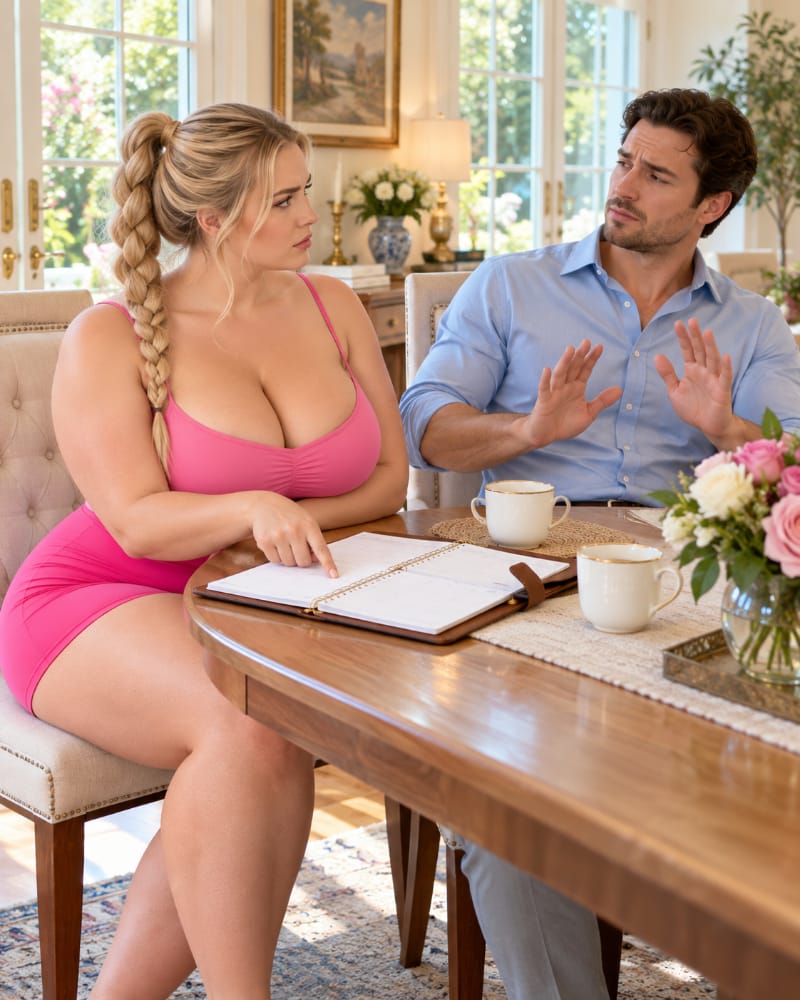
Your wife has an idea for a family trip. Your girlfriend wants to start a business. You have doubts about the cost or the plan. Those doubts may be fair. Still, saying, “That’s stupid” attacks her instead of the idea. It may make her less willing to share her thoughts next time. Try asking, “How would we handle the cost?” or “What would happen if the plan fails?” Then share your concerns in plain words. The Gottman Institute’s guide to softer conversation starters explains how speaking without blame can help couples handle conflict. You can disagree and still show respect. Moreover, treating her ideas with care makes it easier for her to take your concerns seriously too.

9. “I Told You So.” Being Right Is Not Always Worth the Hurt
Imagine your girlfriend takes a new job. You worry that the hours will be too long. A month later, she feels worn out. You could say, “I told you so.” But what would that solve? She already knows the job has been hard. She may need comfort, a plan, or just someone to listen. Instead, try, “That sounds stressful. Do you want help thinking through your options?” You can still discuss the warning signs you saw. Just pick a kinder time. The Gottman Institute’s advice on defensiveness encourages partners to take responsibility rather than shift blame. A loving relationship is not a contest over who was right. It works best when both people face hard times as a team.

10. “You Always Do This!” Stop Turning One Mistake Into Her Whole Identity
Words like “always” and “never” can make an argument feel much bigger. Suppose your wife forgets to pay a bill. You say, “You never remember anything.” Now she may feel attacked, not heard. Instead, talk about the exact problem. You can say, “The bill was late this month. Can we set a reminder together?” The Gottman Institute’s Four Horsemen guide explains how criticism and contempt can harm a couple’s conversations. Focus on what happened and what needs to change. Also, own your part in the problem. If you struggle with conflict or constant arguments, our guide on how to tame your man without games offers more ideas for calm communication and shared effort.

11. “Whatever. I Don’t Care.” Indifference Can Hurt More Than Anger
Picture your girlfriend planning a birthday dinner. She asks where you would like to go. You shrug and say, “Whatever. I don’t care.” Perhaps you really have no preference. Yet she may hear that you do not value the plan. The same phrase can hurt even more during a serious talk. It may sound like you no longer care about her feelings. Instead, give an honest answer. Say, “I’m happy with either place. Which one would you enjoy?” During conflict, try, “I’m tired right now, but this matters to me. Can we talk after dinner?” Small signs of care can make a big difference. Our article about feeling that your boyfriend is too good for you explores kindness and appreciation in relationships.

12. “My Ex Was Better in Bed.” Never Use Intimacy to Shame Her
Sex should be a place where both partners can share their needs without fear of being judged. Harsh comments about her body or sexual performance can make that harder. Imagine telling your wife, “You never do anything right in bed.” She may feel hurt, ashamed, or less willing to be open with you. Instead, focus on what you enjoy and what you want to explore together. Try saying, “I love feeling close to you. Can we talk about what feels good for both of us?” Also, listen when she shares her preferences. Do not assume you know what she likes. Good sexual communication needs patience, honesty, and respect. If either person feels uneasy, slow down and talk.

13. “You Owe Me Sex.” Love Never Cancels the Need for Consent
Being married or dating does not give anyone a right to another person’s body. Sex should be a choice, not a debt. Never say, “If you loved me, you’d sleep with me tonight.” This puts pressure on your partner. It may also make her feel that affection comes with a price. RAINN’s guide to sexual consent explains that consent must be clear, freely given, and ongoing. If your partner does not want sex, respect that answer. You can still talk about a gap in desire. Try saying, “I miss being close to you. Can we talk about what we both need?” Also, explore our guide to relationship boundaries.

14. “If You Really Loved Me, You Would…” Don’t Turn Love Into a Test
Love is not proof that someone must agree with every request. Yet this phrase turns a personal wish into a test of loyalty. For example, you may want your girlfriend to cancel plans with her friends. You say, “If you loved me, you’d stay home.” Now she must choose between her freedom and avoiding your anger. This can create guilt and fear. The CDC explains that psychological aggression can include words used to harm or control a partner. Instead, name your need. Say, “I miss spending time with you. Can we plan a night together?” Then respect her answer and find a fair balance. Healthy love makes room for friends, family, personal goals, and time together.

15. “You Made Me Cheat.” Never Blame Her for Your Choices
A relationship can have serious problems. You may feel lonely, unwanted, or angry. Still, those feelings do not make your partner responsible for your decision to cheat. Saying, “You made me do it” shifts blame and blocks an honest talk. If you betrayed her trust, admit what you chose to do. You can explain the problems that existed without using them as excuses. Say, “I made a choice that hurt you. I take responsibility for it.” Then answer her fair questions and respect her need for space. Repair may take time, and forgiveness is not guaranteed. If both partners choose to work on the marriage, our guide to regaining trust after cheating offers a starting point.

16. “I’m Leaving You.” Don’t Threaten a Breakup to Win a Fight
Sometimes a relationship truly needs to end. You have the right to leave a relationship that is wrong for you. However, using a breakup threat to win an argument is different. Suppose your girlfriend disagrees with you about money. You reply, “Maybe we should just break up.” She may start to fear that every disagreement will end the relationship. This can make honest talks harder. If you need a break from the argument, say so clearly. Try, “I’m upset. I need half an hour to calm down. Then I want to finish this talk.” Also, keep your promise to return. When you feel distant from each other, our guide to making date night more exciting shares ways to reconnect.

17. “That’s Just How I Am.” Growth Is Part of Loving Someone
We all have habits that are hard to change. Maybe you make sharp jokes. Maybe you go quiet when you feel upset. Your partner asks you to stop, but you reply, “That’s just how I am.” This sounds like you have closed the door on change. It also leaves her with the whole problem. Instead, be honest about what feels hard. Say, “I know I get defensive. I’m trying to handle it better.” Then show real effort. You do not need to change your whole personality for someone else. You can still improve the habits that cause hurt. Equally important, ask her to do the same. A strong relationship is not about finding two perfect people. It is about two people who stay willing to learn.

What You Should Say Instead: A Simple Rule for Hard Conversations
You do not need a perfect speech when something goes wrong. A few clear steps can help you express a need without blame. First, name the event. Next, share how it made you feel. Then make a clear request. Finally, give her time to answer. For example, instead of saying, “You never make time for me,” try, “I felt lonely when we missed our last two date nights. Could we plan one for Friday?” This keeps the focus on a real problem. Also, it gives her something she can respond to. The same rule works when she raises a concern with you. Listen before you defend yourself. Then look for a solution you can both accept.

Try these five quick word swaps:
- Instead of “You’re overreacting,” say, “Help me understand.”
- Instead of “You never listen,” say, “Can I explain why this matters?”
- Instead of “You look awful,” say, “Are you feeling okay?”
- Instead of “It’s your fault,” say, “Let’s look at what happened.”
- Instead of “Just leave me alone,” say, “I need a short break. I’ll come back.”

Honesty vs. Cruelty: What You Should Never Hide From Your Partner
Avoiding hurtful words does not mean hiding the truth. In fact, silence and lies can create problems too. Your partner deserves honest answers about issues that affect your shared life. These may include money problems, broken promises, sexual health risks, or a loss of trust. You should also talk about big differences in life goals, such as marriage or children. The goal is not to keep her happy at any cost. It is to share facts with care. For example, you can say, “I’ve been worried about our spending. Can we review the bills together?” That is more useful than calling her careless. Remember, kind honesty protects trust. Hiding important facts to avoid a hard talk does not.

What to Do After You Have Already Said Something Hurtful
Everyone makes mistakes with words. What matters next is how you respond. First, stop defending the remark. Then admit exactly what you said. A clear apology might sound like this: “I was wrong to call you selfish. That was hurtful, and I’m sorry.” Do not add a “but” that puts the blame back on her. Next, ask what she needs. She may want to talk, take a break, or spend some time alone. Let her choose. The Gottman Institute’s guide to relationship repair notes that partners may need different amounts of time before they are ready to reconnect. So do not rush her response. Give her room to feel what she feels.

An apology also needs action. If you mocked her in front of friends, stop making those jokes. If you broke a promise, make a plan to keep it next time. Also, if you often lose your temper, seek help with that pattern. Moreover, ask your partner how she will know things have changed. Her answer may be more useful than your best guess. Remember that forgiveness is her choice. You cannot demand it because you said sorry once. Focus on becoming someone whose actions match his words. Over time, steady behavior may help rebuild trust. And if you both struggle to talk without fighting, a licensed couples therapist may help you learn better habits together.

When Hurtful Words Become Emotional Abuse
There is a difference between one careless remark and a repeated pattern of cruelty or control. Both deserve attention, but the second can create real fear. Watch for threats, humiliation, constant insults, forced isolation, or pressure around sex. Also, take it seriously when someone uses fear to control money, friends, or daily choices. The NHS guide to domestic abuse explains these warning signs. If you see them in your own behavior, seek help and take responsibility. If you are the person facing threats or control, put your safety first. Talk to someone you trust or a local support service. Do not treat abuse as an ordinary communication problem that a better phrase will fix.
Frequently Asked Questions
Threats, cruel insults, and words meant to control her are serious warning signs. Comments that shame her body or dismiss her feelings can also cause harm. Focus on respect, even when you disagree.
There is no single answer. It depends on her experiences and the situation. Yet words that make her feel worthless, unwanted, or unsafe can hurt deeply.
Avoid name-calling, breakup threats, unfair comparisons, and blame. Talk about the problem, not her character. If emotions run high, take a break and agree on when to return.
No. Honest talks are part of a healthy relationship. However, honesty does not require cruel words. Share the truth clearly and with respect.
Name what you said, admit it was wrong, and say sorry without excuses. Then listen to her response. Most importantly, change the behavior that caused the hurt.
One sentence can cause serious pain, but it does not always end a relationship. The harm depends on the words, the situation, and what happens next. Repeated cruelty is a bigger concern.
Listen without mocking her. Respect her privacy and choices. Keep promises, accept honest feedback, and handle disagreements without threats. Also, expect the same care in return.
Couples need honesty about matters that affect their trust and shared life. Yet each person still deserves personal space and privacy. Keeping a friend's confidence is different from hiding an affair. What is the worst thing you can say to your girlfriend?
What words hurt a woman the most?
What should you never say to your wife during an argument?
Is it wrong to tell your girlfriend the truth if it hurts?
How do you apologize after saying something hurtful?
Can one hurtful sentence ruin a relationship?
How can I make my girlfriend feel emotionally safe?
Should couples tell each other everything?
Conclusion: Speak With Love, Even When the Truth Is Hard
Things You Should Never Tell Your Woman are not just a list of forbidden words. They are reminders that respect matters most when feelings run high. You will not always agree with your wife or girlfriend. You may feel upset, tired, or hurt too. That is normal. What matters is how you handle those moments. Avoid insults, unfair comparisons, threats, and guilt. Instead, say what you feel, ask for what you need, and listen to her side. Start with one habit today. Replace a harsh reply with a kind question. Then keep practicing. The goal is not to become a man who never makes mistakes. It is to become a partner who takes responsibility, shows care, and helps love grow.


Through Smart Relationship Tips, Leslie focuses on helping readers better understand relationship dynamics, communicate more effectively, navigate difficult emotional situations, and make more informed decisions about their personal lives. Her writing combines practical relationship guidance with insights from psychology and reputable research sources where appropriate.
Leslie believes that healthy relationships are built through honest communication, mutual respect, emotional awareness, trust, and consistent effort. Her goal is to make complex relationship topics easier to understand while offering advice that readers can realistically apply to everyday situations.
At Smart Relationship Tips, Leslie is committed to creating helpful, reader-focused content that is clear, compassionate, and responsible. When discussing psychology, emotional wellbeing, or research-based topics, the site aims to distinguish general relationship advice from evidence-based information and provide appropriate references whenever possible.
Areas of focus: Dating & relationships • Marriage • Communication • Breakups & moving on • Intimacy • Relationship challenges • Emotional wellbeing
- 17 Things You Should Never Tell Your Woman (And What to Say Instead) - November 8, 2026
- 15 Signs Your Woman Is an Alpha Female (And Why It Matters in Love) - November 7, 2026
- How to Be a Romantic Wife: 15 Real Habits That Deepen Your Marriage - November 6, 2026