

Does body count matter in a relationship? It is one of the most searched questions in dating today. Maybe you are asking it right now. You are probably replaying old chats in your head. Or you saw a number that will not leave your mind. You are not alone. Millions of people search this exact question every year.

Most articles go one of two ways. They hand you a checklist to judge your partner. Or they wave the question away and say love conquers all. Neither one is honest. Neither one helps you sleep at night.

This guide takes a different path. I have spent decades coaching couples through this exact worry. I want to give you something better than a guess. First, we will look at what real research says. Then we will cover the real signs of a secure, trustworthy partner. These signs hold up no matter what number someone starts with.

Why This Question Keeps You Up at Night
This question rarely comes from nowhere. A friend’s comment might spark it. Or something you saw online. Or your partner shared a number that felt high. Suddenly, you cannot stop picturing people you never met.

This reaction makes sense. Humans look for signs of trust early on. Also, our culture sends mixed signals about sex. One voice says numbers never matter. Another voice, usually aimed at women, treats a high number as a warning. Both sides skip the real question. Is your specific partner safe to build a future with?

If this worry keeps popping up while you date, it often ties to bigger patterns. Our dating advice archive covers this in more depth. So does our guide to the 9 types of men you meet while dating. For now, let’s look at what the data actually shows.

What the Research Actually Says About Body Count and Divorce
Most articles skip the facts and share an opinion instead. Let’s do this the right way.
A detailed study from the Institute for Family Studies tracked women’s sexual history before marriage. It then compared that history to divorce rates. The results surprised even the researcher. Women who married with zero or one past partner had by far the lowest divorce rates. Meanwhile, women with three to nine partners had a lower divorce risk. Women with exactly two partners had a higher divorce rate.

That part confuses most people at first. Having only two partners led to some of the highest divorce rates in the whole study. In some decades, it was even higher than having ten or more. The researcher’s best guess involves comparison. A second partner often becomes a clear, tempting option to consider. Three or more partners spread that comparison out more. This seems to build clearer self-knowledge instead.

Women with ten or more partners did have the highest divorce rate in the 2000s. But this number was not much different from the two-partner group. Also, the researcher noted that religion and family background explain a real part of this pattern. A number is not destiny. It cannot carry that much weight on its own. If this worry hits you after the wedding, not before it, our marriage advice archive can help you build lasting trust.

Does a High Number Mean She Can’t Commit or Connect?
Two more common claims need a straight answer. First, some say people with more experience cannot value real closeness. Second, some say they cannot commit. Neither claim holds up well under real research.

A Wheatley Institute report found something interesting. People who had only been intimate with their spouse reported higher sexual satisfaction. They also reported longer marriages. At first, this sounds like proof of the myth. But the real reason is likely simpler. These couples never built a mental list to compare their spouse against. So they had fewer chances to feel let down. This points to a lack of comparison. It is not proof of damage from experience.

On commitment, a 2023 study in Social Science Research found something useful. More past partners can lower your short-term odds of marrying fast. But that effect fades with time. It barely touches someone’s long-term ability to commit. In plain words, dating history might shape when someone settles down. It does not decide if they can. Want to build stronger closeness with your partner over time? Our intimacy section covers this in more depth.

It’s Not Just About Her: What an 11-Country Study Found
Here is a detail most other articles skip. A large 2025 study in Scientific Reports surveyed over five thousand people. It covered eleven countries across five continents. Researchers showed people simple images of past sexual histories. Then they asked how willing people would be to commit long-term to that person.

The results matter a lot. Both men and women grew less willing to commit as the number grew. Also, the study found little proof that women get judged more harshly than men. The old idea that only women pay a price for their past just does not match this data.

One detail mattered even more than the raw number. People judged someone more kindly if a high count sat in the past and had clearly slowed down. A partner who kept adding new partners recently got judged more harshly than old history alone. In short, direction beats the tally. Where someone is heading matters more than where they have been.

Why Is This Question Almost Always About Women?
Notice how the terms body count and clues she has slept around rarely get aimed at men. This is not an accident. For years, culture has praised sexually experienced men. At the same time, it judges women for the same choices. A psychologist writing for Forbes said this plainly. The term itself carries real shame, and that shame lands on women far more often than men. Solid research does not support treating the two genders so differently.

The research above tells a more honest story. Both men and women weigh a partner’s past before committing. Neither gender gets a free pass. Neither one fully escapes judgment either. The real problem is not caring about trust. The real problem is judging only one gender while the other side skates by.
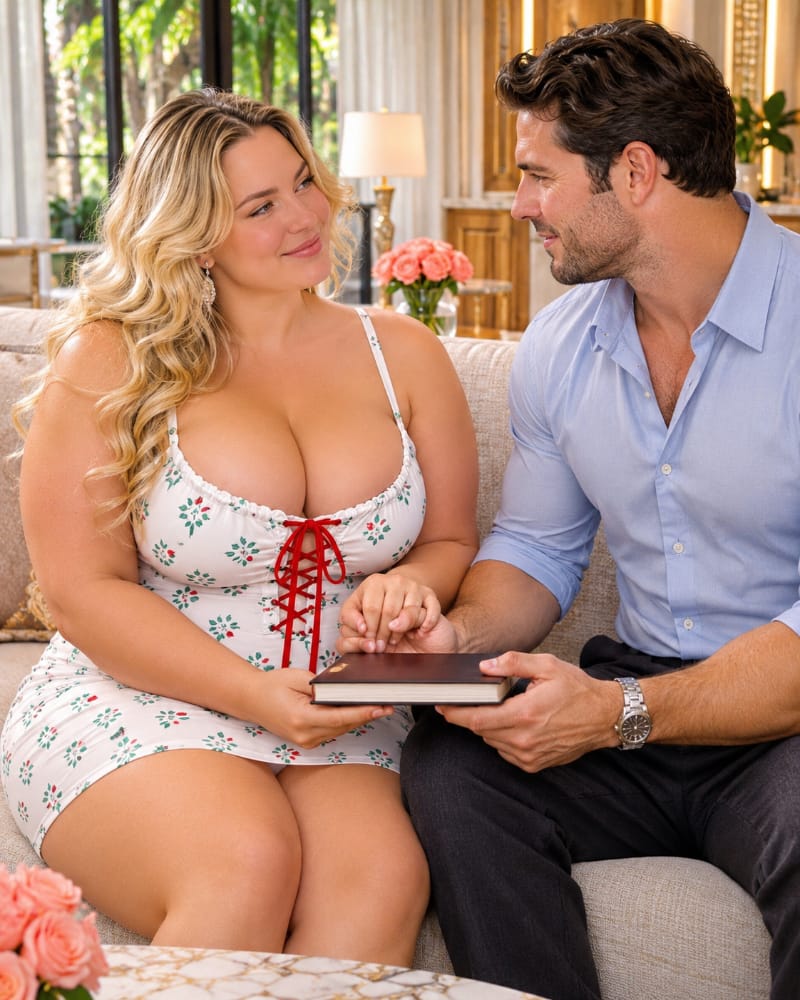
Do you notice this pattern in yourself, or in someone close to you? That double standard is worth saying out loud. Fair standards build trust between partners. One-sided judgment just breeds resentment instead.

Why the Number Alone Can’t Predict Your Future
Even the researchers behind this data want you to stay careful here. A new 2026 update from the Institute for Family Studies found something notable. The link between partner count and marriage happiness keeps getting weaker over time. Today, more premarital experience is common. So it carries less weight than it did decades ago.

Picture two women in their thirties. One has had two long relationships and few partners total. The other has dated widely and has a much higher number. Who makes the more secure, trustworthy partner today? The number alone will not tell you. The first woman might still struggle with jealousy or poor communication. The second might have used those years to learn what she wants. She may know exactly how to say it too. Their history explains their past. It does not explain who they are right now.

This is why smart daters stop chasing a headcount. Instead, they start watching behavior.
The Real Signs You’ve Found a Secure, Trustworthy Partner
This is the part that matters most. Experts who study attachment style found clear signs of a secure partner. These signs predict long-term success far better than any number. Look for these signs in your partner, and in yourself too:

- They talk straight. A secure partner tells you what they think and feel. They do not drop hints or give you the silent treatment.
- They fight fair. Fights happen in every relationship. A secure partner argues about the real issue. They do not use it to tear you down.
- They keep their word. Small promises get kept. Big promises get kept too, even when it is hard.
- They handle closeness and space well. They do not panic when you need alone time. They do not pull away once things get serious.
- They skip the jealousy games. Trust comes easy to them. They do not need to track you or grill you about your past.
- They stay curious about you. Real interest in your day and your goals does not fade after a few months.

The Gottman Institute studied stable couples for decades. Happy couples share about five kind moments for every one harsh moment during a fight. The Institute also found four habits that predict a breakup. They are blame, disrespect, defensiveness, and shutting down. A secure partner tends to avoid most of these, even under stress.

Research shared by Psychology Today backs this up too. Securely attached partners trust more easily. They also handle deep feelings without flinching. Want to go deeper? Read more on how secure attachment shows up day to day.

Want a full breakdown of daily habits that build or break real closeness? This guide on healthy intimate relationships walks through the basics step by step.
If Her Past Still Bothers You, Do This First
Knowing the research helps. But feelings do not always follow facts right away. If a partner’s past still bothers you, try these steps first.
- Ask what you truly fear. Often the fear has nothing to do with the past. It is usually a fear of not being enough, or a fear of getting compared.
- Split curiosity from control. Wanting closeness is healthy. Needing a full list of every past partner is not. That number will not bring the relief you expect.
- Talk about feelings, not numbers. Do not ask for a count. Say what you actually need instead. Try “I want to feel secure with you” instead of asking for a number.
- Watch actions, not history. A partner who shows up, tells the truth, and stays steady today tells you far more than any old number.

Therapists who spoke with The Knot often ask one question before any number comes up. Why do you actually want to know? That single question often shows if the real issue is trust, comparison, or something else.

Does this worry show up in every relationship you enter? It may help to look at where that pattern began. Our guides on what turns men off and what turns women off can help. They cover habits like jealousy and control that quietly hurt your bond. It also helps to know when boundaries get crossed in a relationship. Grilling a partner about their past can cross that line fast.

If You’re the One Being Judged for Your Past
Maybe you are not the one asking this question. Maybe you are the one being judged. If a partner made you feel small about your past, you deserve better. Your history does not define your worth. It doesn’t predict whether you can love deeply or stay faithful. Plenty of people with rich dating histories build the strongest marriages. On the other hand, plenty of people with very few partners still struggle with trust. The number was never the real story here.

A partner who respects you cares about how you treat them today. They do not care about a tally from years ago. If someone cannot let go of your past, that is worth a direct talk. Sometimes it is worth walking away too. You get to decide who earns access to your story. Want to spot patterns that keep you stuck with a partner who cannot move past judgment? This piece on the stages of a narcissistic relationship is worth a read next.

FAQs About Does Body Count Matter
Not in the simple way most people think. Research shows the number alone does not reliably predict happiness or divorce. What matters more is how a person talks, fights fair, and treats you each day.
Humans look for signs of trust before they invest in someone. A partner's past feels like a shortcut to that answer. But it turns out to be unreliable.
In our culture, yes. Terms like body count get aimed at women far more than men. But large studies show men and women judge future partners in similar ways. The public conversation is more one-sided than the real reaction is.
You can, but ask yourself why first. If you want real closeness, focus on values and boundaries instead of a number. If you want to compare or control, a number will not fix that need anyway.
Communication, steady behavior, emotional closeness, and fair fighting. These traits predict a strong relationship far better than any number.
Yes. Research and countless real marriages confirm this. Growth and self-awareness matter more than a fixed past.
Does that matter? Not on its own. A gap in experience only becomes a problem if it turns into comparison or poor talk about needs. Talk openly instead of fixating on the number.
Put your energy into your own relationship. Focus on what you two are building together. Comparison steals your focus from the present. The present is the only place your relationship actually happens.
Not on its own. Some studies link virginity to lower divorce rates. But things like religion and family background explain much of that link, not virginity alone. Does body count actually matter in a relationship?
Why do so many people care about a partner's number?
Is there really a double standard between men and women?
Should I ask my partner how many people they have slept with?
What matters more than a partner's sexual history?
Can someone with a high number still become a great long-term partner?
What if my partner has way more experience than I do?
How do I stop comparing myself to my partner's exes?
Does staying a virgin guarantee a happier marriage?
Final Thoughts
So does body count matter in a relationship? The honest answer is less simple than a headline. But it is simpler than you might expect once you know where to look. Research shows a raw number predicts very little on its own. What predicts a lasting relationship is how your partner talks to you, fights fair, keeps their word, and shows up for you again and again.
Stop trying to solve your relationship with a number. Watch behavior instead. Watch for steady, reliable actions. Notice how your partner treats you when life gets hard. Those signs tell you far more than any dating history ever could. They are the signs actually worth building a future on. For more research-backed advice like this, explore our relationship library.


Through Smart Relationship Tips, Leslie focuses on helping readers better understand relationship dynamics, communicate more effectively, navigate difficult emotional situations, and make more informed decisions about their personal lives. Her writing combines practical relationship guidance with insights from psychology and reputable research sources where appropriate.
Leslie believes that healthy relationships are built through honest communication, mutual respect, emotional awareness, trust, and consistent effort. Her goal is to make complex relationship topics easier to understand while offering advice that readers can realistically apply to everyday situations.
At Smart Relationship Tips, Leslie is committed to creating helpful, reader-focused content that is clear, compassionate, and responsible. When discussing psychology, emotional wellbeing, or research-based topics, the site aims to distinguish general relationship advice from evidence-based information and provide appropriate references whenever possible.
Areas of focus: Dating & relationships • Marriage • Communication • Breakups & moving on • Intimacy • Relationship challenges • Emotional wellbeing
- Does Body Count Matter in a Relationship? The Real Signs of a Secure Partner - November 14, 2026
- How to Become Your Husband’s Mistress: 14 Ways to Seduce the Man You Married - November 13, 2026
- How Women Judge Your Masculinity: 13 Things They Notice About You - November 12, 2026